Area Guide · San Pancho
Whale Watching in San Pancho & Riviera Nayarit: Season, Tours & Best Spots
Sarana Stays
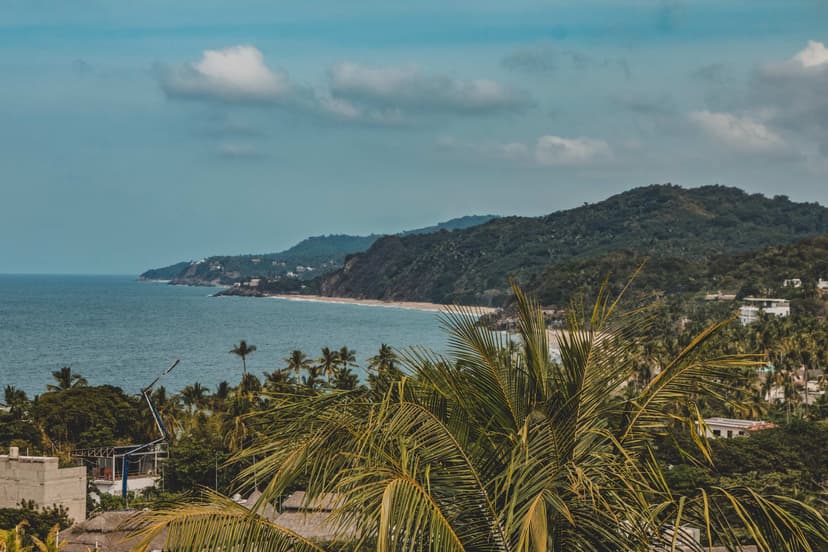
Banderas Bay, the stretch of coast San Pancho sits along, is one of the more significant humpback whale breeding and calving grounds on Mexico's Pacific coast — not just a spot whales pass through, but a place they travel to specifically to mate and give birth. If you're visiting during the winter months, it's one of the region's genuine can't-miss experiences.
The main event: humpback whales
Humpbacks are the reliably documented species here, migrating down from northern Pacific feeding grounds each winter. Season runs roughly mid-December through late March, with January and February generally considered peak viewing months — some operators cite sighting probabilities above 95 percent in that window. Occasional early arrivals in November and stragglers into April do happen, but the exact start and end of the season shifts somewhat from year to year with ocean conditions, so treat these as approximate windows rather than fixed dates. (You may see other species — blue whales, orcas, even gray whales — mentioned on some tourism sites; treat those as rare, incidental sightings rather than a typical part of a tour.)
Where tours actually depart from
San Pancho itself doesn't have a marina, so whale-watching boats don't launch from town. The nearest departure points are Sayulita (tours often launch directly off the beach), Punta de Mita and El Anclote, and the marina at La Cruz de Huanacaxtle — with Bucerías and Nuevo Vallarta serving broader-bay operators as well. Any of these is a short drive from a San Pancho rental.
Watching from shore
One perk of staying in this area: humpbacks are often spotted breaching from the beach during winter months, a genuine and fairly well-known regional phenomenon in Banderas Bay. It's opportunistic rather than guaranteed, but keep an eye on the horizon during a winter beach walk — you might get a show without ever booking a boat.
Choosing a responsible operator
Whale watching in Mexico is regulated under federal rules (NOM-131-SEMARNAT-2010), enforced by SEMARNAT. The rules that matter for choosing a tour: only permitted vessels may approach whales, minimum approach distances apply (roughly 60 meters for small permitted boats, 80 meters for larger ones), boats must slow to a crawl near whales, no more than four boats are allowed near a single pod at once, swimming with whales isn't permitted, and extra caution is required around mothers and calves. Choosing a SEMARNAT-permitted operator is the simplest way to make sure your tour is following these rules.
Cost and duration
As a rough guide, shared tours of about three hours from Sayulita-based operators have run in the neighborhood of 1,600 Mexican pesos per person, with private charters starting around 10,000 pesos; Punta Mita-area tours are commonly 2.5 to 4 hours. Treat these figures as illustrative rather than current pricing — confirm cost and duration directly with an operator when you book, since both vary by season and company.
Where to stay
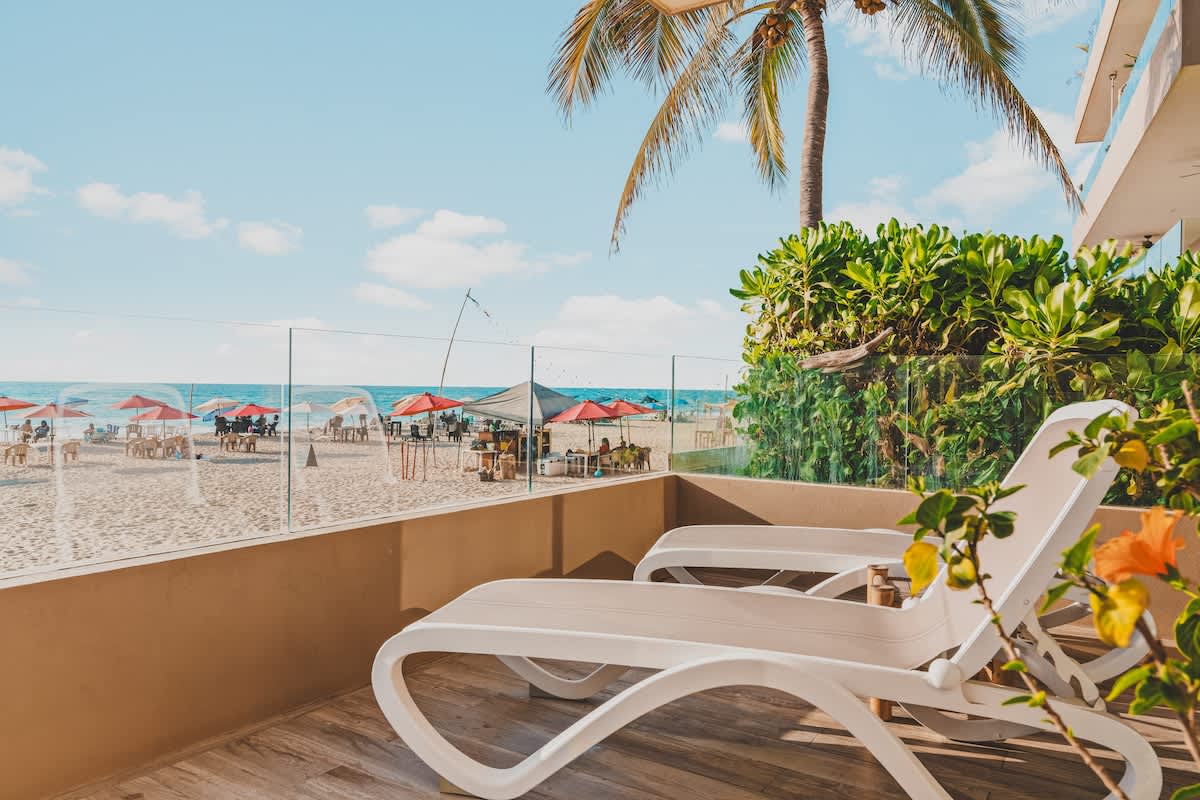
Casa de Luz Beachfront at Punta Paraíso puts you right on the sand with a real shot at a shore sighting, and an easy drive to any of the nearby departure points for a boat tour. Browse our full San Pancho collection for more oceanfront options.
FAQ
When is whale season near San Pancho? Roughly mid-December through late March, with January and February typically the best viewing months — though exact dates shift year to year.
Do whale watching tours depart from San Pancho? Not directly — San Pancho has no marina. The nearest departure points are Sayulita, Punta de Mita, and La Cruz de Huanacaxtle, all a short drive away.
Can I see whales from the beach in San Pancho? Sometimes — humpbacks are known to breach close enough to shore to spot from the beach during winter months, though it's opportunistic, not guaranteed.
Are whale watching tours regulated in Mexico? Yes — federal rules set minimum approach distances, speed limits, and boat-per-pod limits near whales. Look for a SEMARNAT-permitted operator.